

Radon Mitigation Systems: Are They Worth It?
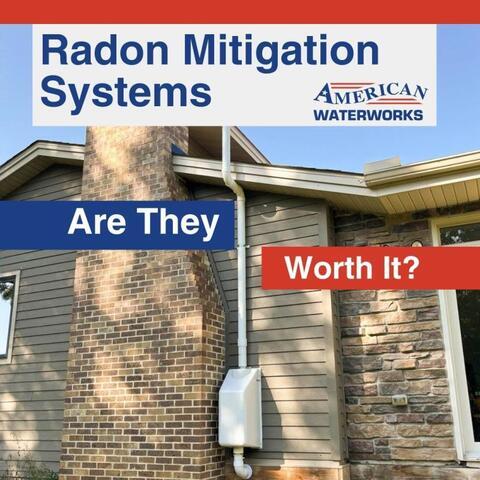
Homeowners often wonder whether investing in a radon mitigation system is really necessary. In this blog, we'll explain what radon is, how it can affect your health, how mitigation systems work, and ultimately whether it is worth installing one in your home.
What is Radon and Why It Matters
Radon is a naturally occurring, radioactive gas that forms in the soil and rock beneath your home. As the soil decays, radon is released and can enter through small openings in the foundation, crawl spaces, sump pump pits, and more. Because you cannot see or smell it, the only way to know where it is present in dangerous amounts is to test your home.
Prolonged exposure to radon is dangerous. The U.S. Environmental Protection Agency (EPA) recognizes radon as a known carcinogen and estimates that about 21,000 Americans die each year from lung cancer caused by radon exposure.
Where is Radon Most Prevalent?
Radon can be found in every state, but some regions have higher concentrations due to soil composition. Here are the average radon levels by state (relevant to our service area)(World Population Review).
- *Minnesota: 4.6 pCi/L
- *North Dakota: 6 pCi/L
- *Iowa: 6.1 pCi/L
- *Wisconsin: 5.7 pCi/L
The EPA's action level for radon is 4 pCi/L, because long exposure to high levels increases the risk for lung cancer. With these states averaging above 4 pCi/L, it is extremely important to regularly test the radon levels of your home. Radon is not evenly distributed. According to the EPA's radon zone map, some areas are classified as Zone 1, which means they have the highest potential for radon levels exceeding 4 pCi/L. Fargo, ND, is a prime example of a high-risk city, where regular testing is important.
To see if your county is classified as Zone 1, we have provided the links to the EPA Map of Radon Zones below:
How Radon Affects Your Health
When radioactive metals (uranium, thorium, or radium) found in the soil below your home break down, they release radon, a radioactive gas that can be inhaled. Over time, these particles damage the lungs, and the risk for lung cancer increases the longer someone is exposed (EPA).
What is a Radon Mitigation System and How Does It Work?
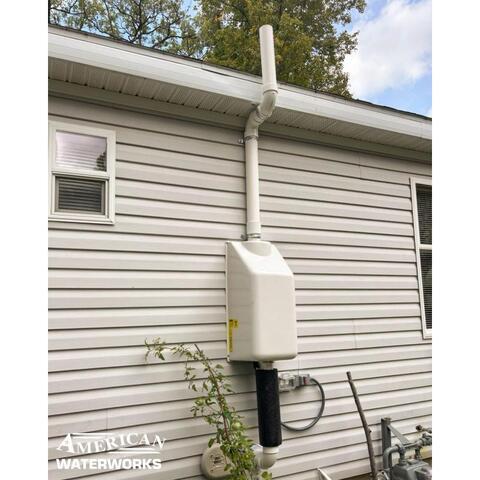
A radon mitigation system is designed to reduce the amount of radon that enters your home. At American Waterworks, we use sub-slab depressurization. Here is how the system works:
- 1. A pipe is installed through the concrete floor or the sump pump to reach the soil beneath the home.
- 2. A fan (installed either on the exterior or attic, depending on the layout of the home) pulls radon from beneath the foundation.
- 3. The gas is vented outside, above the roofline.
- 4. The system runs continuously to keep radon levels low.
A properly installed system can reduce the radon levels by up to 99% and help ensure your indoor air remains safe over time (EPA).
Are Radon Mitigation Systems Worth It?
Yes. If your home tests at or above the recommended action level, installing a radon mitigation system is absolutely worth it. The system protects your health, provides long-term peace of mind, and is effective in all types of homes. Homeowners in areas with higher radon levels benefit even more from taking action.
How American Waterworks Can Help
American Waterworks provides testing and mitigation services to help homeowners improve their indoor air quality. We proudly service Minnesota, North Dakota, Northeast Iowa, and Western Wisconsin. *Services not available in all locations.
In recognition of Radon Action Month, we are offering $50 off your radon mitigation system installation now through December 31, 2025. This is a perfect opportunity to take action and keep your home and family safe.
If you are concerned about the radon levels of your home or want to schedule an inspection, contact American Waterworks today! We're here to help you protect what matters most.
Resources
Environmental Protection Agency. (n.d.). Health Risks of Radon. EPA. https://www.epa.gov/radon/health-risk-radon
Environmental Protection Agency. (n.d.-b). How Much Can A Radon Mitigation System Cost?. EPA. https://www.epa.gov/radon/how-much-can-radon-mitigation-system-cost
Environmental Protection Agency. (n.d.-b). What is Radon?. EPA. https://www.epa.gov/radon/what-radon#:~:text=Radon%20is%20a%20radioactive%20gas,are%20always%20exposed%20to%20it
World Population Review. (2025, November 13). Radon levels by state 2025. https://worldpopulationreview.com/state-rankings/radon-levels-by-state