

Proudly servicing Minnesota, North Dakota, Western Wisconsin, and Northeast Iowa - including Rochester, La Crosse, Minneapolis, Mankato, Fargo, and Mason City
Radon Gas Mitigation Before & After Photos
Click on a photo to enlarge.
High Levels of Radon in Lewiston, MN
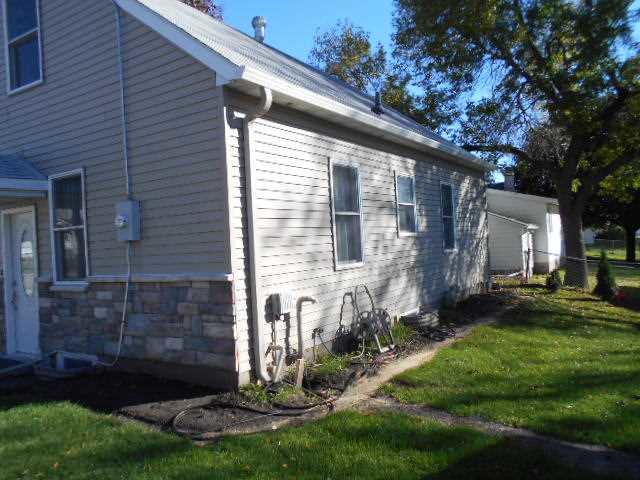

Brandon R. in Lewiston, MN had learned about the dangers of radon gas and decided that he needed to get his home tested. The test results showed a high level of radon. So our Design Specialist, Mac Cole, walked Brandon through the radon mitigation installation process and answered his questions. Brandon wanted to act quickly so his family's health would no longer be compromised, so he had the system installed as soon as possible.
Our crew drilled a hole through the floor in the basement to insert a PVC pipe and create a suction point for the radon gas. Then the gas is vented through the pipe and out of the home. A fan is also installed at the top of the PVC pipe where the gas is vented out to ensure that the gas is pushed away from the home. Brandon now has peace of mind knowing that his family is protected from this dangerous gas.
According to the World Health Organization, radon causes 15% of the world's lung cancer cases and kills over 20,000 people each year. If you have not gotten your home tested for radon, click here to set up an appointment!
High Radon in Hinckley, MN, Mitigated
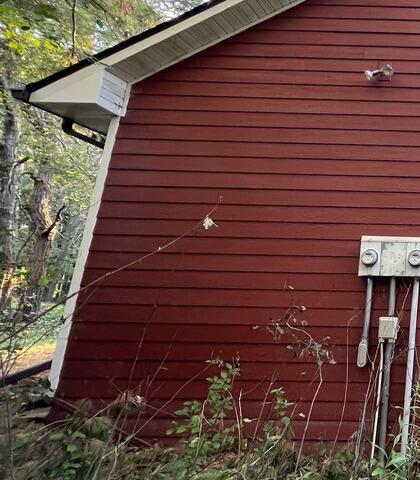
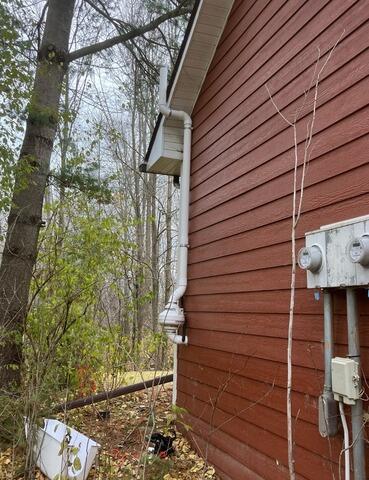
In Hinckley, MN, a homeowner learned that radon is the second leading cause of lung cancer in the US and that it can be found in any household. Concerned their family was breathing in the toxic gas, the homeowner purchased a radon testing kit and tested the levels in their home. In a couple of days, the test results were above 4pCi/L, and the homeowner contacted our Appointment Center for a solution.
In less than a week, our Design Specialist, Gary S., arrived at the home to conduct a thorough inspection. During the inspection, Gary took a close look at the layout of the home and worked closely with the homeowner on the best placement of our radon mitigation system. Gary recommended installing the fan in the exterior of the home and connecting it to the concrete floor in the basement with PVC piping. Confident in our team, the homeowner knew the job would be done right and chose to move forward with the project.
In about a month, our Foreman, Gus R., and his crew arrived at the home for the installation. Once everything was successfully installed, the crew cleaned up their equipment and left the home.
Now, our customer can have peace of mind! Experiencing high radon levels? Schedule your FREE estimate today by clicking HERE!
Radon Mitigation Services in Guttenberg, IA
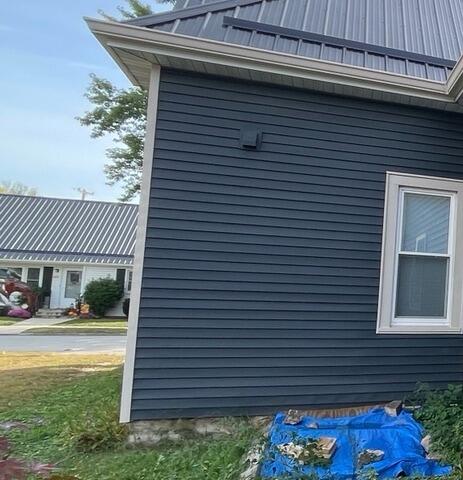
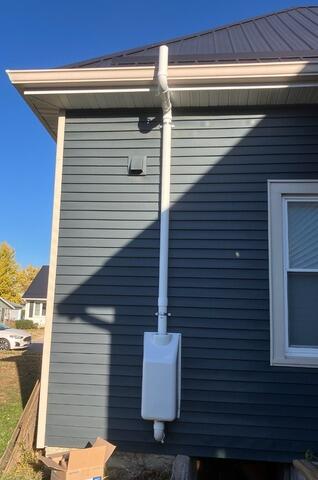
In Guttenberg, IA, a homeowner discovered that radon is a naturally occurring gas that emanates from the soil beneath the home as it decays. The gas would then enter through cracks on the floor, windows, and increase the levels inside the home. Radon is the second leading cause of lung cancer in the US, making it important for homeowners to test their radon levels every 2-5 years. After learning this, the homeowner decided to test their home for radon. In a couple of days, the test results were above 4pCi/L, and the homeowner began looking into radon mitigation system installers in the area and found us. Impressed by our reviews, the homeowner contacted our Appointment Center to schedule their FREE estimate.
In less than a week, our Design Specialist, Ryan M., arrived at the home for the inspection. During the inspection, Ryan took a close look at the home's layout to determine the best placement for our radon mitigation system. Ryan recommended having the fan installed on the exterior of the home and connecting the fan to the concrete flooring in the basement with PVC piping. Confident with our team, the homeowner decided to move forward with the project.
In about a month, our Foreman, Gus R., and his crew arrived at the home for the installation. Once the system was successfully installed, the crew cleaned up their equipment and left the home.
Now, our customer can breathe fresh air! Experiencing high radon levels? Schedule your FREE estimate today by clicking HERE!
Radon Gas Mitigated in Winona, MN


A homeowner from Winona, MN, had been listening to the radio when she heard a warning about radon gas. She knew very little about the dangers that radon gas can pose to a household. She decided that it was better to be safe than sorry, and vowed to find a radon mitigation company to test her home. When she found our website, she signed up for one of our FREE estimates, and several weeks later, our Design Specialist, Nate B, was headed out to the home.
When Nate arrived, he began his inspection by placing a charcoal radon test on the lowest level of the home. Nate explained to the homeowner that this test is comprised of an airtight container with activated charcoal being opened in the home and radon in the air absorbed into the charcoal granules, giving our team an accurate reading of the radon within the home. Nate went on to say that, should the results return higher than 4 pCi/L, he would strongly urge the homeowner to consider installing a radon mitigation system. He explained that a typical radon mitigation system consists of a large-diameter plastic pipe that connects the air beneath your foundation to the outdoors. An in-line fan sucks radon-rich air from beneath your foundation and expels this hazardous air to the exterior. Instead of entering your basement or other living space area through numerous gaps and cracks in the foundation, radon gas is extracted from beneath your foundation before it can permeate into interior space. The homeowner liked Adam's approach but decided to wait until the results returned to make a choice. A few short days later, the results returned at 8 pCi/L, double the levels recommended by the EPA. The homeowner called Adam and the two worked together to find a day for our team to come back to install the system.
Several weeks later, our Foreman, Dakota M, was headed to the home. Dakota and his team were able to seamlessly place the radon system in the home, successfully restoring our customer's peace of mind in the air circulating the home!
Radon Mitigation Installation in Lansing, IA


A customer from Lansing, IA got in contact with us when they began to fear that their home may be inhibited by Radon, a colorless, odorless, naturally occurring gas that comes from the breakdown and decay of the soil that surrounds the foundation of the home. When our customer called in, we set them up with a FREE no-obligation estimate. Our Design Specialist, Jarrett, headed out to the property to see what could be done. He began by performing a 48-hour charcoal test, which he left behind to monitor the levels of Radon in the home. Once completed, the home was found to have unsafe levels of Radon. Jarrett recommended the installation of a Radon mitigation system and the couple agreed.
Our Production crew, led by Dakota, installed the system in no time. Now, our customers don't need to worry about breathing hazardous gas in their home!
our service area
We serve the following areas
- Alexander
- Almont
- Amidon
- Arnegard
- Beach
- Belfield
- Beulah
- Bowman
- Carson
- Cartwright
- Dickinson
- Dodge
- Dunn Center
- Epping
- Fairfield
- Flasher
- Fort Yates
- Gladstone
- Glen Ullin
- Golden Valley
- Golva
- Grassy Butte
- Halliday
- Hebron
- Hettinger
- Keene
- Killdeer
- Lefor
- Manning
- Marmarth
- Medora
- Mott
- New England
- New Leipzig
- Raleigh
- Reeder
- Regent
- Rhame
- Richardton
- Scranton
- Selfridge
- Sentinel Butte
- Shields
- Solen
- South Heart
- Taylor
- Trenton
- Watford City
- Williston